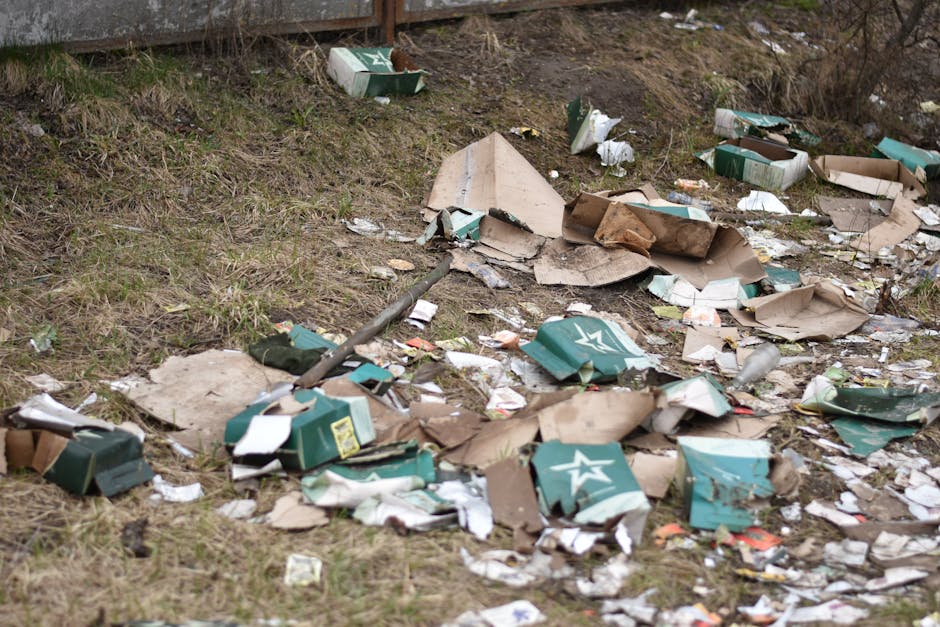
Commercial Waste in Cricklewood

Commercial waste in Cricklewood needs a straightforward service that keeps business premises clear, compliant and workable day after day. We collect a wide range of non-hazardous business rubbish from shops, offices, workshops, managed properties and other commercial sites, with the emphasis on sensible sorting and responsible handling. The service is built around practical removal rather than disruption, so it can support routine clearance, one-off clear-outs and recurring waste streams where a premises generates regular unwanted material.
Our work covers mixed commercial waste, office contents, packaging, bulky items and other general business refuse that needs to leave site without creating extra admin for the customer. For many organisations the main aim is to keep operational areas usable while making sure waste moves into the right recovery route. That may involve separating recyclable material, loading items safely, or dealing with furniture and fixtures that are no longer needed. If you need a quotation, tell us what needs removing and we can help shape the right next step.
Because commercial waste can mean different things in different premises, it helps to think in terms of the material itself rather than a single catch-all collection. Some jobs are best handled as a simple clearance, while others benefit from a more careful breakdown of item types. If you are comparing options, our team can talk through the load, explain what is likely to be collected and keep the process focused on the items you actually want gone. Use this page to understand the main service before sending an enquiry.
Business waste removal for day-to-day premises
Business waste removal in Cricklewood is most useful when it fits around a working day rather than getting in the way of one. Typical collections may include office paper and card, packaging, bagged refuse, redundant storage items and other general commercial waste that has built up behind the scenes. The value of the service is not only in taking material away, but also in doing so with a clear method that suits the premises and the quantity involved.
For businesses that produce mixed waste, the first decision is usually whether the material is mostly recyclable, mostly bulky, or a blend of both. That matters because it affects how the load is sorted and where it should go next. In some cases there may also be items that need separate handling, such as electricals or fittings, so it is helpful to identify those early. If you are planning a clearance, a simple written list can be enough to start the conversation.
What commercial waste collections usually cover
Common items in this type of removal can include cardboard, paper, office furniture, shop fittings, bags of general waste, shelving, display pieces and non-confidential surplus stock. The exact mix depends on the site, but the aim is always the same: to remove the load cleanly and avoid leaving the business to sort through a bigger mess afterwards. Where several item types are present, they are best described plainly so the right collection can be planned.
Office clearances and workspace resets

Office clearance work is often needed when a room is being reconfigured, a lease is ending, or old furniture and storage items have reached the end of their use. In practice, this means removing desks, chairs, cabinets, shelving, screens and general office clutter in a way that leaves the space ready for its next stage. The most useful approach is one that stays organised, because offices often contain mixed materials that cannot all be treated in exactly the same way.
Office waste can also include items that are awkward to move or too bulky for normal bins, such as filing units, meeting tables or reception furniture. Some businesses need the area cleared in phases, while others want a single pass through the premises. A sensible plan takes account of access, loading space and any items that need to remain in place. Clear identification of what stays and what goes keeps the job efficient and reduces the chance of avoidable delays.
When office contents are being removed, it is often worth separating reusable furniture from worn-out material before the collection begins. That decision can help determine whether the work is a straightforward waste removal or a more specific clearance. If you are preparing a quotation request, a few photographs and a short description of the items can help, but a plain inventory is just as useful if it is easier to provide. We can then respond with a more relevant scope.
Furniture disposal from commercial premises

Furniture disposal is a major part of many commercial waste jobs because premises regularly accumulate items that are still serviceable in appearance but no longer needed in practice. That can include office chairs, reception seating, tables, storage cupboards, display units and other bulky furnishings. Removing these items carefully matters because they are awkward to carry, can block walkways and often require more thought than smaller general waste.
Some furniture is ready for disposal as it stands, while other pieces may need to be disassembled or moved in parts depending on access. The best course depends on the item, the route out of the building and whether the material is solid wood, metal, upholstered or mixed. Not every item belongs in the same stream, and a useful service should reflect that rather than treating everything as identical. That is why clear item naming helps the quotation process.
Bulky items, fittings and mixed contents
Commercial sites often hold a combination of freestanding furniture and fixed or semi-fixed fittings. A shop refit, for example, may leave behind display units, counters and shelving, while an office refresh may produce old desks and storage systems. These are different from loose bags of rubbish because they can require more handling and more space in the vehicle. Where the contents are mixed, it helps to describe the heaviest items first so the collection can be planned accurately.
Specialist waste streams and item-specific handling
Some commercial waste needs a more defined route than ordinary mixed rubbish. Depending on the site, that may include confidential shredding, appliance removal, mattress or sofa disposal, or waste that should not be mixed with general rubbish because of its material type. The point of item-specific handling is to keep the load organised and to make sure each stream is treated in the most suitable way available through the service.
If your premises contain appliances, damaged seating or other distinct item groups, it is best not to describe them only as general waste. A clearer breakdown helps avoid confusion and can support better planning for lifting, segregation and disposal. That matters especially when the load includes both commercial furniture and specialist items. In those situations, a quotation is usually easier to prepare when the main categories are listed separately rather than grouped together.
For business customers, item-specific removal also helps when a site is being emptied gradually. One area may contain leftover stock, another may hold old appliances, and another may have office contents that need a different approach. A straightforward description of each area can make the service more precise. If you are ready to begin, send the item list in plain words and the next step can be mapped out without unnecessary back-and-forth.
Clearance support for garages, lofts and storage areas
Commercial premises do not only produce waste in office spaces. Back rooms, garages, lofts, cupboards and storage zones can also fill up with redundant material that has been kept because it was difficult to deal with at the time. Clearance from these areas often includes mixed items such as packaging, old fixtures, redundant stock, broken equipment and general clutter that has accumulated away from day-to-day activity.
The work is usually most effective when the contents are approached in a sensible order. Items near the access point may be removed first, but in many cases a storage area needs a broader clear-out so that hidden material can be reached. That may involve sorting the contents into usable, reusable and disposable groups. Where possible, keep aside anything that needs to remain with the business, because that makes the clearance more efficient and reduces the chance of unnecessary removal.
Storage clearances can be especially helpful when space is being reclaimed for active use rather than just emptied for appearance. Whether the goal is to open up a garage, recover loft capacity or remove long-term overflow, the practical service is the same: to take away the material cleanly and leave the area manageable. A brief description of the storage space and its contents is often enough to start planning.
How quotations are prepared and what affects them

Quotation requests for commercial waste are usually most accurate when they focus on the type of material, the approximate quantity and any factors that affect access. A collection from a ground-floor premises with easy parking is different from a job that involves stairs, narrow corridors or awkward loading. The volume of waste matters too, because a small office clearance and a larger multi-room clearance are not priced or planned in exactly the same way.
Another important factor is the nature of the load. A single stream of loose rubbish is simpler than a mixed collection containing bulky furniture, appliances and other distinct item types. If the premises are still operating, the timing of the collection may also matter so that the work fits around customers, staff or deliveries. When you request a quotation, it is often enough to describe the waste in sections and note any access points that the team should know about before attending.
- List the main items to be removed.
- Note whether the waste is loose, bagged or bulky.
- Describe any access limits, stairs or loading restrictions.
- State whether the site is an office, shop, workshop or storage area.
- Separate specialist items from general commercial waste.
Recycling and responsible disposal choices
Commercial waste removal is not only about taking things away; it is also about deciding which materials can be separated and where they should go next. Recyclable cardboard, paper, metal and some other recoverable materials may be split away from the rest of the load, while mixed rubbish is handled through the most appropriate disposal route available. The better the initial sorting, the more straightforward the handling can be.
That process matters for businesses because commercial waste is often a blend of common office refuse and material that still has a recovery value. Packaging, for example, may be suitable for recycling, while worn-out furniture may need a different path. A thoughtful service considers the load as a whole rather than assuming every item belongs in the same category. This is one reason why a precise description of the contents is valuable before collection begins.
Where there are multiple item types, it can be helpful to identify the materials with the clearest recovery potential and the items that are simply to be removed. That helps keep the work organised and avoids confusion at the point of collection. If you are comparing ways to clear a site, look for a service that handles the practical side carefully and does not treat mixed commercial rubbish as though it were all identical.
About Cricklewood
Cricklewood sits across parts of north-west London and is commonly associated with the London Borough of Brent, with adjoining areas stretching into Camden and Barnet. The place grew from older rural settlements and became more heavily developed in the nineteenth century, especially after the arrival of improved transport links. Its identity reflects that layered history: a once semi-rural area shaped by roads and railways, later becoming a dense urban district with a mix of housing, industry and local commerce. The Edgware Road corridor and the railway lines to the north helped drive that change, making Cricklewood a recognisable gateway between central London and the suburbs beyond. Architectural variety is one of its defining features, ranging from Victorian and Edwardian terraces to later estates, interspersed with commercial frontages and larger buildings from different periods. Kilburn and West Hampstead lie nearby, but Cricklewood keeps its own character through its high street, side streets and long-standing local landmarks. The area also has green spaces and larger open landscapes within reach, including Gladstone Park, which is often linked with views across north-west London, and the wider corridor toward the Welsh Harp reservoir and Brent Reservoir area to the north-west. Public transport, bus routes and nearby rail stations continue to shape everyday movement, while the local streets reflect the mix of residents, small businesses and through traffic that has long defined the district. Cultural life in the area is diverse and practical rather than ceremonial, with places of worship, independent shops, community facilities and ordinary neighbourhood rhythms giving Cricklewood a distinctly working urban feel.
Waste clearance for shops, workshops and shared buildings
Commercial waste also appears in places that do not fit neatly into one category. Shops generate packaging, damaged displays and surplus stock. Workshops may produce offcuts, redundant equipment and general refuse. Shared buildings can create mixed waste from communal areas, storage rooms and back-of-house spaces. Each of these settings benefits from a clearance approach that respects the layout and the type of material involved rather than treating the job as a generic pickup.
In practical terms, that means looking at how the site is used and where the waste has gathered. A retail area may need display fixtures removed with care, while a workshop may need heavier items handled first. Shared premises can require more coordination because the waste may belong to different users or be spread across several rooms. Good planning keeps the work focused and helps ensure that the right items are taken in the right order.
Choosing the right scope for the job
If the waste has built up slowly, it can help to decide whether the job is a one-off clearance or a more regular collection. A one-off may suit a refit, move or end-of-lease clean-out. A recurring arrangement is more appropriate where the business generates steady volumes of rubbish that need to be managed on an ongoing basis. Either way, the most useful quotation starts with a realistic description of the waste rather than an estimate that hides the details.
Preparing an enquiry and arranging collection

When you are ready to request a quotation, keep the enquiry concise and specific. A short summary of the waste type, the amount involved and the site layout is usually enough to begin. If the collection includes several distinct groups of items, list them separately so the response can reflect the actual scope. That is especially useful for mixed commercial waste, where furniture, packaging and specialist items may all need different handling within the same visit.
It can also help to think about timing and access before you send the details. If the premises are open to customers, there may be a preferred window for collection. If the material is in a storeroom, basement or upper floor, note any access restrictions that may affect removal. Give clear item details and you will usually get a more practical response. If you need to proceed, make your request now and ask for a quotation in plain terms.
Book online or use the enquiry route that suits you best if you want to discuss commercial waste removal in Cricklewood. For customers comparing options and checking costs, the pricing and quotes page is the best place to start before sending the details of the job.